What is the difference between fat and fattening?
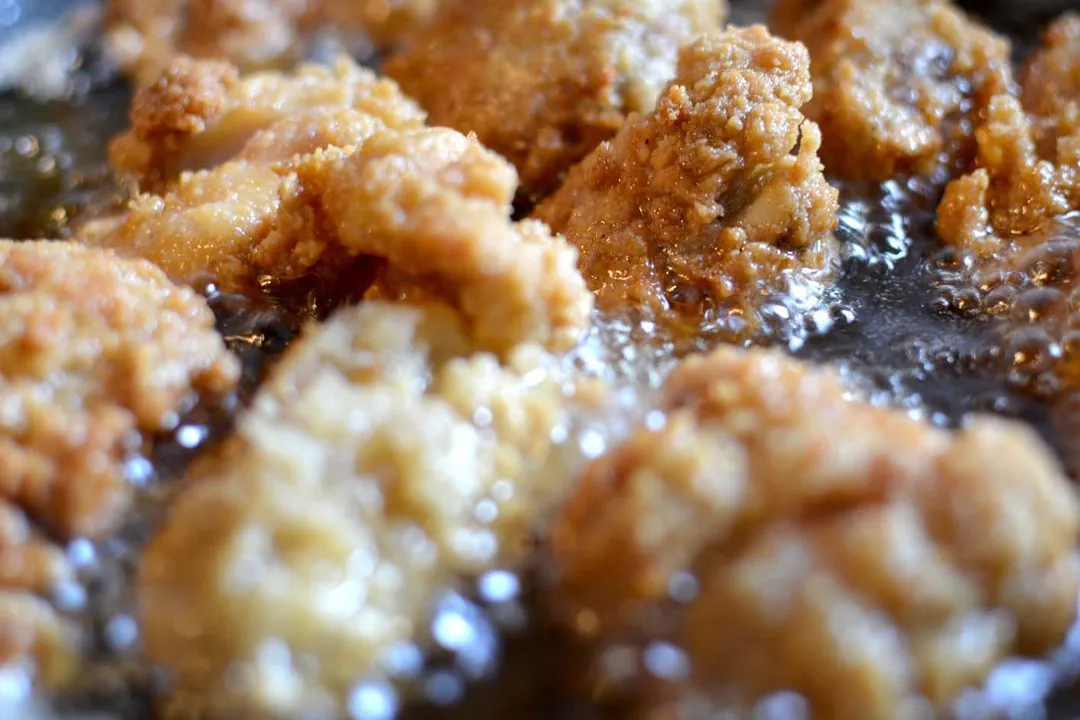
The common language surrounding diet and weight can often blur distinct concepts, and perhaps no two terms cause more confusion than the difference between something being described as fat and something being described as fattening. These words are often used interchangeably in casual conversation, leading to misguided dietary decisions. However, in the context of nutrition and body composition, they represent fundamentally different ideas: one is a chemical substance essential for life, and the other is a description of a food's tendency to promote weight gain when consumed improperly. [1][2]
# Substance Defined
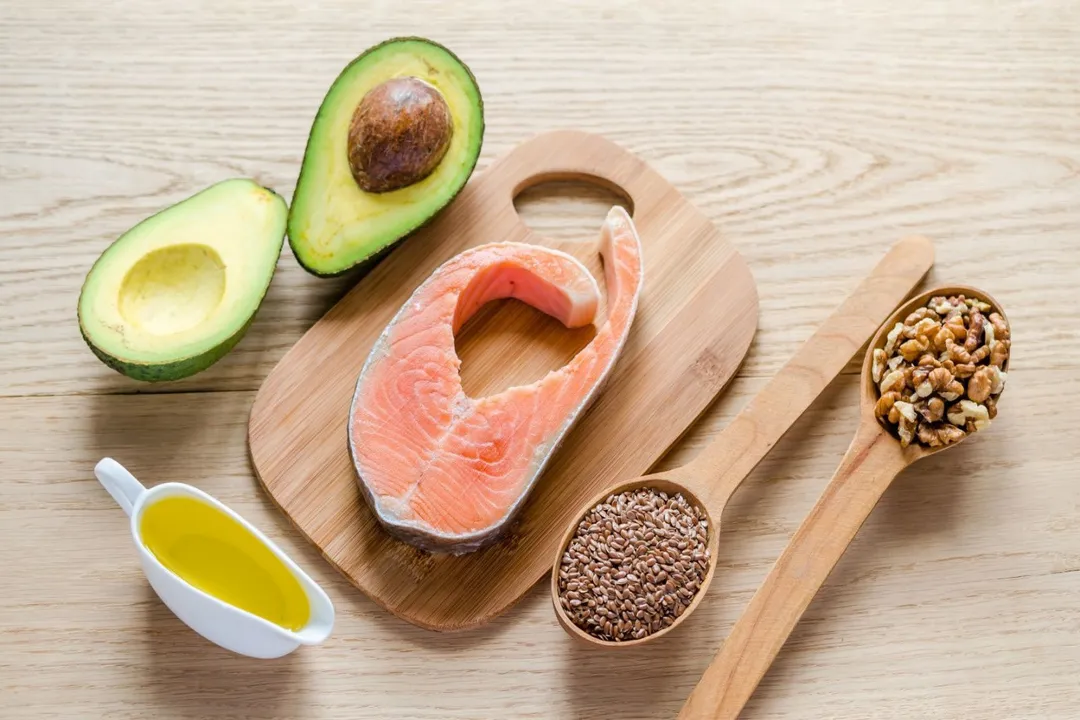
Dietary fat is one of the three essential macronutrients, alongside carbohydrates and proteins. [7] It is a vital component of the human diet, serving several critical roles in the body. Fats are necessary for absorbing fat-soluble vitamins, such as A, D, E, and K. [5] They are also important structural components of cell membranes and play a part in hormone production. [7] Chemically, fats are composed of fatty acids linked to a glycerol molecule. [7] Nutritionally, fats are the most energy-dense macronutrient, providing about nine calories per gram. [6]
# Qualities of Fat

Not all dietary fats are created equal, and understanding their structure reveals why some are considered healthier than others. [5] Fats are broadly categorized based on their chemical structure, specifically the saturation of their carbon chains. [5]
- Saturated fats tend to be solid at room temperature. While they are necessary, consuming too much can raise levels of low-density lipoprotein (LDL) cholesterol, sometimes called "bad" cholesterol. [5]
- Unsaturated fats are typically liquid at room temperature and are often associated with better heart health outcomes when they replace saturated fats in the diet. [5] These include monounsaturated and polyunsaturated fats. [5]
- Essential Fatty Acids are a specific group of polyunsaturated fats—namely, omega-3 and omega-6—that the body cannot produce on its own and must obtain through diet. [5]
Therefore, when we speak of "fat," we are referencing a specific, required molecule found in foods, which can be chemically differentiated into beneficial, neutral, or less desirable types. [7][5]

# Adjective Explained
The term fattening operates on a completely different level. It is an adjective used to describe a food or beverage that has the potential or tendency to lead to an increase in body fat when consumed regularly and in excess of the body’s energy needs. [2] It describes a functional outcome rather than a chemical composition. [1] A food is "fattening" not because it is inherently made of fat, but because its overall caloric contribution, combined with how palatable it is, encourages overconsumption. [3]
For instance, while avocados are high in fat—a necessary macronutrient—they might not be strictly "fattening" if eaten in moderation as part of a balanced calorie budget. Conversely, a sugary soda is often considered fattening because it delivers a high number of easily digestible calories (primarily from sugar/carbohydrates) with little to no satiety, making it easy to consume hundreds of calories quickly without feeling full. [8] The descriptor points toward behavior and caloric density leading to weight gain, not the presence of the fat molecule itself. [6]
# The Distinction in Action
The crucial distinction lies here: Fat is a physical component of food, whereas fattening is a behavioral description of the effect of that food on one's energy balance. [3] Eating fat does not automatically equal gaining body fat. [4] Weight gain occurs when a person consistently consumes more calories than they expend over time, leading to the storage of excess energy as adipose tissue. [6][8] Since fat contains more than twice the calories per gram than protein or carbohydrates, foods high in fat can easily contribute to a calorie surplus, which is why the terms often get confused. [6][7]
Consider a simple comparison of two foods, each containing 200 calories:
| Food Item | Primary Macronutrient | Caloric Source | Potential Descriptor |
|---|---|---|---|
| Almonds (small handful) | Fat (mostly unsaturated) | Nutrient-dense | Fat |
| French Fries (small serving) | Carbohydrate/Fat | Energy-dense | Fattening (due to volume/preparation) |
The almonds are primarily fat, which is essential, but their high caloric density means portion control is key to avoid a surplus. The fries are "fattening" because their processing often increases palatability and portion sizes lead to excess calories, often involving refined carbs alongside the added fat. [3] The concept of "fattening" is therefore contextual—it depends heavily on how the food is prepared and how much of it is eaten, rather than just the presence of the fat nutrient itself. [2][4] A food is fattening when it reliably contributes to a positive energy balance, regardless of whether its calories come from fat, sugar, or large quantities of highly refined starches. [8]
# Calorie Balance Over Composition
When analyzing the mechanics of weight gain, the scientific consensus points toward energy balance as the primary determinant. [6][8] If you consume 2,500 calories but only burn 2,000, the extra 500 calories must be stored, and the body primarily stores this excess as fat. [6] This storage mechanism applies whether those excess calories came from the fat in olive oil, the sugar in juice, or the protein in a steak. [6][8]
This understanding shifts the focus away from demonizing the nutrient fat and towards managing the total energy intake. If someone replaces highly processed, sugary snacks with foods high in healthy fats—like nuts, seeds, or fatty fish—while keeping their total calorie intake the same or lower, they are unlikely to gain body fat and may even improve their health markers due to the benefits of unsaturated fats. [5] The issue often arises because high-fat foods are frequently paired with refined carbohydrates, leading to foods that are both high in fat and highly palatable, making them easily fattening. [3]
For example, one common pitfall is believing that because a food is labeled "low-fat," it is automatically a healthier choice. Often, manufacturers replace the fat removed with added sugars or starches to maintain texture and flavor. These "low-fat" options can end up being just as, or even more, fattening than their full-fat counterparts due to the added refined carbohydrates and their impact on appetite control. [4]
# Making Informed Choices
Distinguishing between the nutrient and the descriptor empowers better food choices. Instead of viewing fat as the enemy, one can evaluate the type of fat and the context of the food item. [5]
One actionable insight for navigating this is to consider the nutrient density relative to the calorie load. When preparing meals, focus on minimizing sources that are high in calories due to added fats and refined sugars/starches simultaneously, as these combinations are the most potent drivers of accidental overconsumption. For instance, instead of adding large amounts of creamy, sugar-laden sauces to lean meat, opt for flavor from herbs, spices, and a small, measured amount of high-quality olive oil for cooking. This way, you secure the necessary fatty acids without accidentally tipping the scales toward a caloric surplus simply due to the "fattening" nature of the accompanying ingredients. [5]
Another practical consideration revolves around satiety signals. Because fat takes longer to digest, it generally promotes a greater feeling of fullness compared to simple carbohydrates. [7] If you eat a small amount of a food that is truly high in fat (like an ounce of nuts), you may feel satisfied sooner and stop eating before you consume a dangerous surplus. In contrast, a food described as fattening might be one that bypasses satiety signals—like highly processed snacks—causing you to eat far beyond the point of actual hunger, thus guaranteeing the excess energy storage. [4] Learning to honor the fullness cues provided by quality fats can be a strategy to avoid the pitfalls associated with foods that are merely fattening.
# Macronutrient Roles
To fully appreciate the difference, it is helpful to re-examine the role of all three macronutrients regarding body composition.
Carbohydrates, proteins, and fats all supply energy. [7] While carbohydrates are the body's preferred immediate energy source, protein is crucial for building and repairing tissues. [7] Fat’s primary roles are structural and for energy storage, as noted previously. [7]
The key takeaway from a physiological standpoint is that the body is highly efficient at converting any macronutrient consumed in excess into triglycerides, which are then stored as body fat. [6][8] Whether you overeat bread (carbs), chicken breast (protein), or butter (fat), the end result, if the calories are not immediately used for energy or tissue repair, is the same: storage as adipose tissue. [6] This confirms that the adjective "fattening" should be applied to foods that enable this surplus easily, not just foods that contain the fat nutrient. [1][3]
# Perception Versus Reality
Historically, dietary advice often targeted dietary fat for reduction because of its high caloric density (9 kcal/g vs. 4 kcal/g for carbs/protein). [6] This led to the widespread cultural perception that fat causes weight gain. However, as research evolved, it became clear that focusing solely on eliminating the nutrient fat was an incomplete strategy. [4]
The term fattening reflects a more nuanced, functional reality. A food described this way is one that, due to its formulation—often high in calories, low in fiber and water, and highly palatable—is easy to overconsume, thereby leading to the state of being "fat" or gaining body fat. [2][3]
The difference, therefore, is one of classification:
- Fat: A required nutrient category. [7]
- Fattening: A descriptive term for high-risk foods leading to energy imbalance. [2]
Understanding this separation allows individuals to include necessary dietary fats in healthy amounts while actively monitoring and moderating foods that are purely "fattening" due to added sugars or excessive processing that overrides natural appetite control. [5][8]
Related Questions
#Citations
What is the difference between fattening and fatty - HiNative
Fat VS Fattening - Learn English Online
Fattening vs Fatty: Fundamental Differences Of These Terms
Eating Fat Doesn't Make You Fat | InBody USA
Facts about fat - NHS
Does eating fat make you fat? - Examine.com
Carbohydrates, Proteins, and Fats - Disorders of Nutrition
Does eating fat actually translate to gaining fat (or at least increasing ...
The truth about fats: the good, the bad, and the in-between