What blocks mineral absorption?
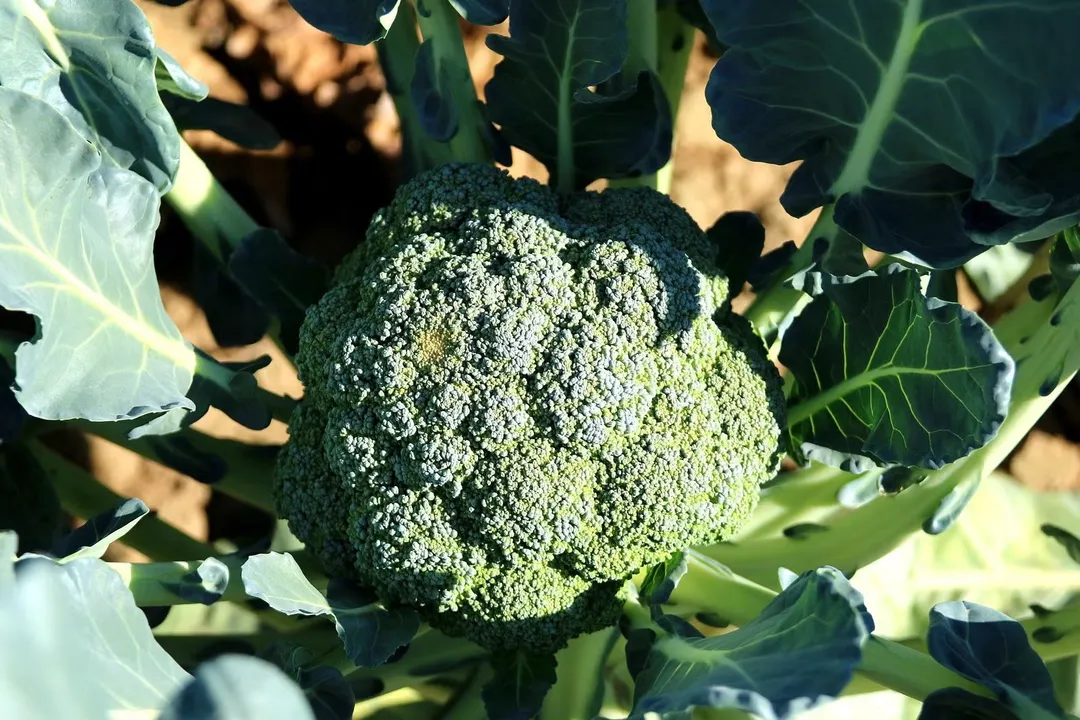
The food we consume provides the building blocks for our bodies, but simply eating something doesn't guarantee our systems will fully utilize every component. There’s an important distinction between intake and absorption, and this difference is often dictated by specific compounds present naturally in those foods, sometimes referred to as anti-nutrients. [1][9] These substances aren't necessarily "bad"; they are often protective chemicals developed by plants to deter pests or aid in seed survival, but they can interfere with how we extract essential minerals like iron, zinc, calcium, and magnesium. [1][4][9] Understanding what these blockers are and how they operate is key to optimizing nutritional status, especially for those relying heavily on plant-based diets or those with borderline nutrient levels. [7]
# Anti-Nutrient Definition

Anti-nutrients are natural or synthetic compounds found in foods, particularly in plants, that can negatively affect the absorption, digestion, or utilization of other nutrients. [1][9] They work in several ways, often by binding to minerals in the digestive tract, forming complexes that the body cannot easily break down and absorb. [1] While the term sounds alarming, it is important to recognize that these compounds exist in many common, healthy foods, and their impact is highly dependent on overall diet quality, individual digestive health, and food preparation methods. [3][7] For instance, legumes, whole grains, nuts, and seeds—foods often championed for their fiber and micronutrient content—are also primary sources of some of the most well-known absorption inhibitors. [1][4]
# Phytic Acid
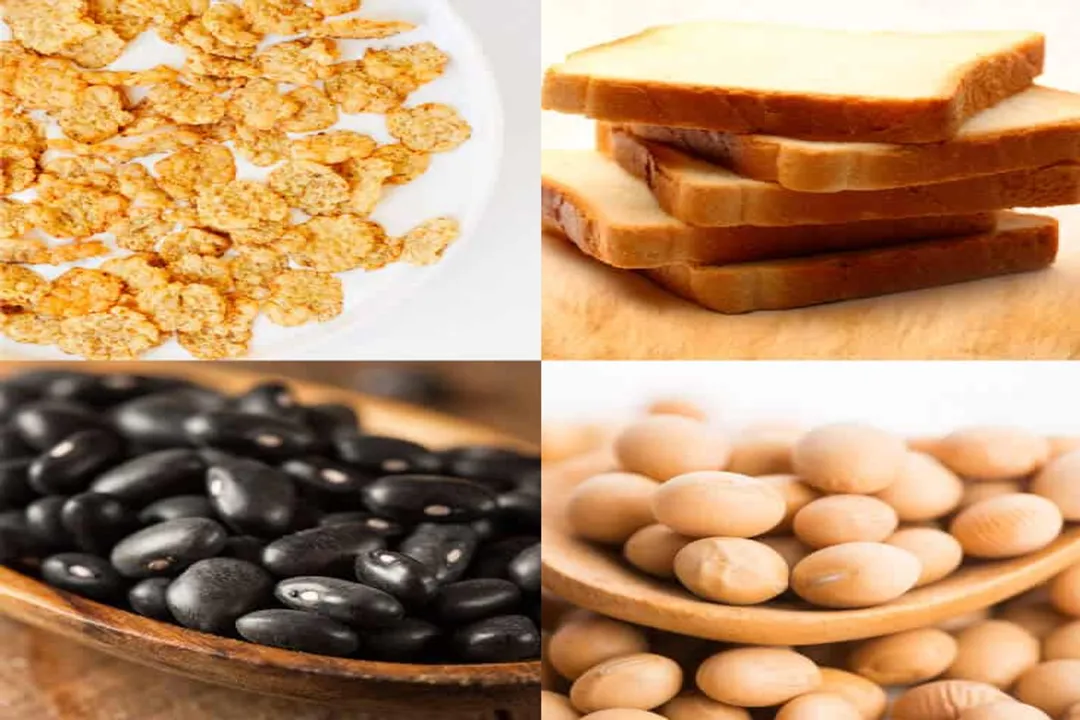
Perhaps the most widely discussed compound impacting mineral absorption is phytic acid, or phytate. [4] This substance is the primary storage form of phosphorus in many plant foods, including grains, legumes, oilseeds, nuts, and some cereals. [1][4] While phosphorus itself is essential, the phytate molecule readily binds to essential divalent and trivalent cations, effectively making them unavailable for absorption in the human small intestine. [8]
The binding capacity of phytic acid is significant. It can chelate iron, zinc, calcium, and magnesium, among others. [1][8] This is particularly relevant when considering the bioavailability of minerals from non-heme iron sources found in plant foods. If a meal contains high levels of phytates alongside these minerals, the mineral absorption rate can drop considerably. [4] For example, one analysis suggests that phytate can inhibit iron absorption by up to 60%. [8]
# Food Sources
Phytic acid levels vary widely depending on the food source. Whole grains and seeds generally contain higher concentrations than refined products because the bran and hull—where the phytate is stored—are removed during refining. [1][4] Legumes, such as beans and lentils, are also major contributors. [2]
| Food Group | High Phytate Content Example |
|---|---|
| Grains | Wheat bran, whole wheat flour [2] |
| Legumes | Soybeans, navy beans, lentils [2] |
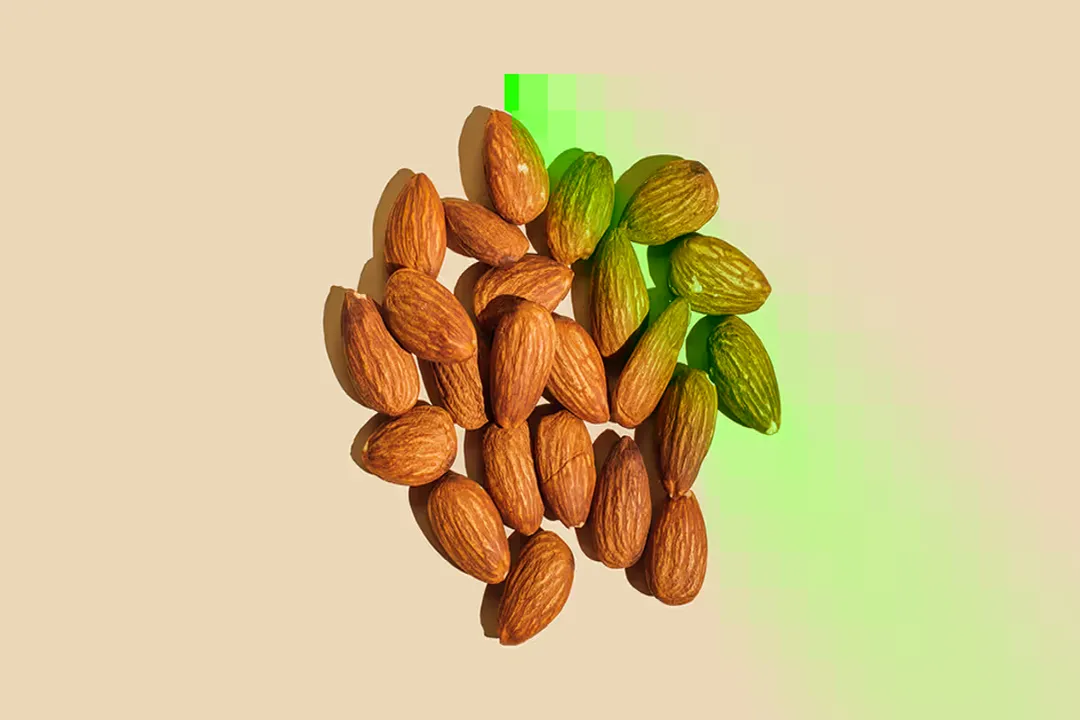
| Nuts/Seeds | Sesame seeds, flaxseeds [2] |
It's worth noting a comparison between food processing and mineral availability. Refined white flour has significantly less phytate than whole wheat flour because the outer layers are removed. [1] However, this process strips away beneficial fiber and other vitamins too, highlighting the dietary trade-off when considering only the anti-nutrient aspect. [7] Someone focusing solely on maximizing zinc absorption from a whole-grain bread might inadvertently reduce their calcium absorption from the same source due to the presence of phytates. [1][5]
# Oxalates and Tannins
While phytic acid often takes center stage, other plant compounds also reduce mineral bioavailability. Oxalates, for instance, are another type of anti-nutrient found predominantly in certain vegetables. [1] Spinach is a classic example; it contains high levels of oxalates which strongly bind to calcium, meaning that the calcium in spinach is poorly absorbed, regardless of the absolute amount present in the vegetable. [1] This binding is more critical for calcium than for other minerals like iron or zinc in the context of oxalates. [1]
Another group to be aware of involves tannins, which are polyphenolic compounds found in foods like tea and coffee. [1] Tannins have been shown to interfere with iron absorption, especially non-heme iron, by forming insoluble complexes with it in the digestive tract. [1] If you consume a cup of black tea immediately with an iron-rich meal, the tannins present can substantially decrease the iron your body actually utilizes from that meal. [1]
# Calcium Inhibitors
Calcium absorption is a frequent nutritional target, and several factors beyond just phytates and oxalates can block its uptake. [5] One specific consideration involves high levels of other minerals present in the same meal. For instance, very high intakes of zinc or iron can competitively inhibit calcium absorption. [5]
This competitive inhibition provides an interesting angle for dietary planning. If you are taking a high-dose zinc supplement, and also consuming a calcium-rich meal, the efficiency of calcium uptake from that meal might be slightly reduced because the intestinal transport mechanisms are busy with the higher concentration of zinc ions. [5] This is less of a concern with balanced, whole-food meals where concentrations are naturally moderated, but it becomes more significant when using isolated supplements or consuming fortified foods. [5] Furthermore, the source of the calcium matters: calcium in dairy is generally highly bioavailable compared to calcium locked up by oxalates in greens. [1][5]
# Digestive Health Factors
Beyond the compounds in the food, the condition of the digestive system itself plays a critical role in nutrient absorption. [7] Even if a food is low in inhibitors, poor gut health means minerals may not be released from their food matrix or transported across the intestinal wall effectively. [7]
Conditions that reduce stomach acid, such as long-term use of acid-reducing medications or conditions like achlorhydria, can significantly impair the absorption of certain minerals, most notably iron and calcium, as stomach acid is required to free these minerals from their food bonds. [7] Similarly, inflammation or damage to the intestinal lining, common in conditions like celiac disease or Crohn's disease, reduces the available surface area and transport efficiency for nearly all absorbed nutrients. [7]
Another factor, often overlooked when focusing on plant compounds, is the presence of fat. [6] While many fat-soluble vitamins (A, D, E, K) require fat for absorption, excessive fat intake, particularly from poorly digested fats, can lead to the formation of soaps in the intestine. These soaps can then bind to minerals like calcium and magnesium, causing them to be excreted rather than absorbed. [6] This mechanism is more common in individuals with fat malabsorption issues, but it illustrates that the entire matrix of the meal matters, not just the presence of a single inhibitor. [6]
# Mitigation Strategies
Fortunately, human food preparation techniques have evolved over millennia to effectively neutralize or significantly reduce the impact of many of these absorption blockers. [7] Understanding these methods allows consumers to maximize the nutritional value of their diets. [1]
# Soaking Sprouting and Fermenting
The most effective strategies for dealing with phytates involve enzymatic activity that breaks down the phytic acid molecule. Phytase, an enzyme that breaks down phytate, is naturally present in the seeds of grains, nuts, and legumes themselves, but it is often dormant in the dry product. [7]
Activation techniques include:
- Soaking: Soaking dried beans, grains, or nuts in water for several hours before cooking starts the phytase enzyme activity, reducing phytate content. [7]
- Sprouting (Germination): Allowing seeds to germinate significantly activates phytase, leading to a greater reduction in phytic acid than simple soaking alone. [7]
- Fermentation: Using traditional sourdough methods for bread or fermenting legumes (like making tempeh) introduces bacteria that produce phytase, dramatically lowering the final phytate load in the food. [7]
If we consider an anonymous case study: Two individuals consume identical servings of black beans. Person A eats them directly boiled from dry. Person B soaks the beans overnight and ferments them for 24 hours before cooking. Person B's beans might yield up to a 50-70% reduction in phytate content compared to Person A's, resulting in substantially higher potential absorption of zinc and iron from that meal. [7] The speed with which these methods work is impressive; a long, slow fermentation process is often superior to a quick boil. [7]
# Heat and Acidity
For oxalates, cooking methods like boiling—especially when the cooking water is discarded—can significantly reduce oxalate levels because oxalates are water-soluble. [1] This means boiling spinach in large amounts of water and draining it thoroughly is an effective strategy to improve calcium absorption from that vegetable compared to eating it raw or steaming it lightly. [1]
While heat can degrade some anti-nutrients, it is crucial to remember that high heat alone (like dry roasting) may not be as effective at reducing phytates as soaking and sprouting, as it can sometimes inactivate the necessary phytase enzyme before it has time to work. [7]
# An Insight on Dietary Balance
When looking at the entire day’s intake, the relative concentration matters. A diet rich in fruits and vegetables that are naturally low in phytates (like most fruits) can balance out the higher phytate load from a staple grain or legume meal, provided the meals aren't consumed simultaneously. [1] The body’s ability to adapt and regulate mineral absorption over time is also a factor; chronic low intake can sometimes stimulate slightly more efficient absorption pathways, although this mechanism has limits when faced with very high concentrations of inhibitors. [8] Therefore, viewing single meals in isolation is often misleading; overall dietary patterns are what truly matter when managing anti-nutrient effects. [3]
# Other Inhibitory Substances
Beyond the major players like phytates and oxalates, other food constituents can subtly reduce mineral uptake. Certain food processing techniques, or compounds that appear in high concentrations, can cause issues. For instance, excessive amounts of dietary fiber itself, while beneficial overall, can sometimes bind minerals non-specifically if consumed in extremely high quantities relative to total caloric intake. [6]
Another factor involves substances that mimic mineral structures. While not strictly "blocking" in the same chelation sense, certain compounds can confuse the body's transport systems. [6] In general, however, the biggest hurdle for most people comes from the phytates in grains and legumes and the oxalates in specific greens. [1] For the average person eating a varied diet that includes some form of soaking, sprouting, or fermentation for beans and grains, the practical impact of these blockers is usually minor. [3] The concern escalates primarily when relying heavily on unrefined, unprocessed plant staples as the sole source of several key minerals. [7]
Related Questions
#Citations
Are Anti-Nutrients Harmful? - The Nutrition Source
Foods High in Phytic Acid - WebMD
4 Myths About Food and Nutrition - badgut.org
Phytic Acid: Antinutrient Effects, Benefits, How to Reduce - Healthline
Did you know that certain foods block calcium absorption?
Foods Affecting Nutrient Absorption - iHealth Unified Care
Are you absorbing the nutrients you eat? - MSU Extension
[PDF] Phytic Acid: An Optimal Barrier to Iron Absorption
10 Antinutrients to Get Out of Your Diet Immediately - Dr. Axe