Who is the father of transplant surgery?
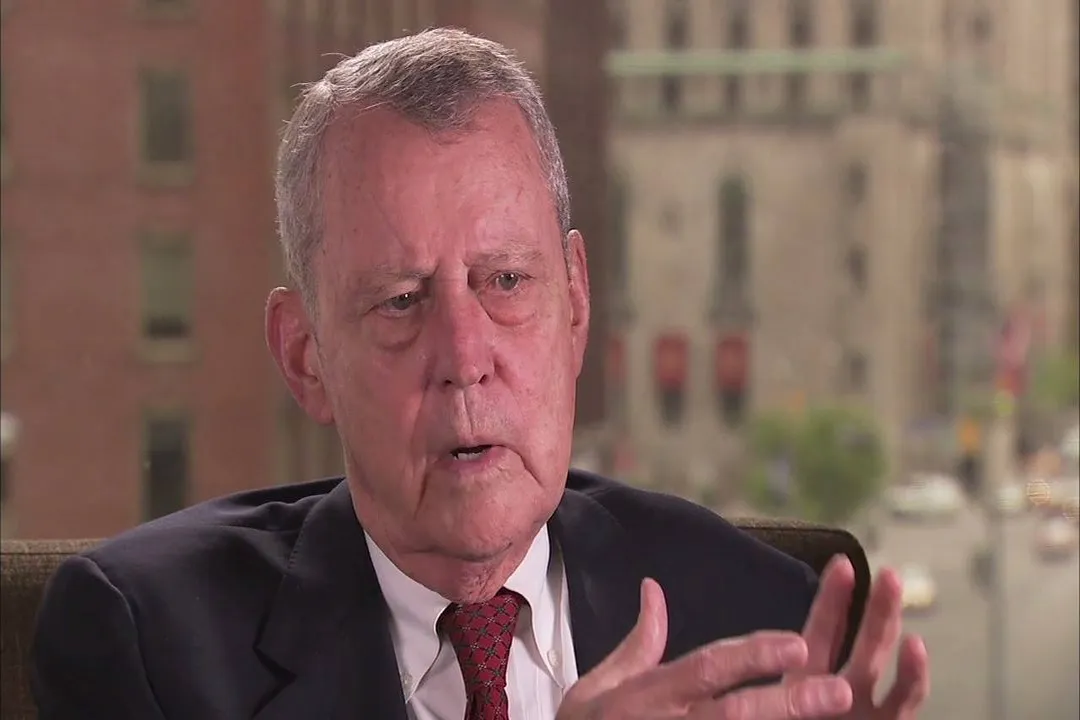
The title of the father of transplant surgery is rarely pinned to a single individual, as the history of organ transplantation is a cumulative effort of many scientists and surgeons. However, when the conversation turns to the modern era of transplantation—specifically the clinical application that turned a fatal diagnosis into a manageable medical procedure—the name Thomas Starzl frequently rises to the top. [3][7][8] While Starzl is often credited as the father of modern transplantation, understanding the full picture requires acknowledging the giants of vascular surgery and immunology whose work preceded his breakthroughs.
The evolution of this medical field can be divided into three distinct phases: the mastery of surgical technique, the understanding of the body's immune system, and the development of effective clinical immunosuppression. Each of these pillars relied on different pioneers, and focusing on one without the others leaves the story incomplete.
# Surgical Foundations
Long before surgeons were swapping organs between patients, they had to solve the fundamental problem of connecting blood vessels. In the early 20th century, the risk of thrombosis and hemorrhage made vascular surgery essentially impossible. This changed thanks to the work of Alexis Carrel, a French surgeon who is often considered the grandfather of the techniques that make modern transplantation possible. [1]
Carrel developed the "triangulation" technique for vascular anastomosis. By placing three stay sutures at equidistant points on the edges of two blood vessels, he could create a triangular opening. This ensured that the interior walls of the vessels remained smooth and aligned, drastically reducing the chances of blood clots forming at the junction. In 1912, Carrel received the Nobel Prize in Physiology or Medicine for this contribution. Without this basic mechanical ability to join arteries and veins, organ transplantation would have remained a theoretical ambition rather than a physical reality. [1]
# Immunology Barriers
Even if a surgeon could perfectly connect the plumbing of a new organ, a second, more daunting obstacle remained: the immune system. For decades, researchers struggled to understand why bodies rejected foreign tissues. The prevailing belief was that rejection was a technical failure, not a biological response. It was not until the mid-20th century that the true nature of transplant rejection was identified as an immunological process.
Sir Peter Medawar played a central role in this discovery. During World War II, his work on skin grafts for burn victims led him to investigate why grafts from one person to another failed while grafts from the same person succeeded. Medawar identified that the body possesses an "acquired immunological tolerance". [2] He demonstrated that the immune system perceives foreign tissue as an invader, triggering a complex biological attack. This insight was transformative. It shifted the focus of the scientific community from refining surgical mechanics to manipulating the immune system to accept the new organ. [2]
# Thomas Starzl
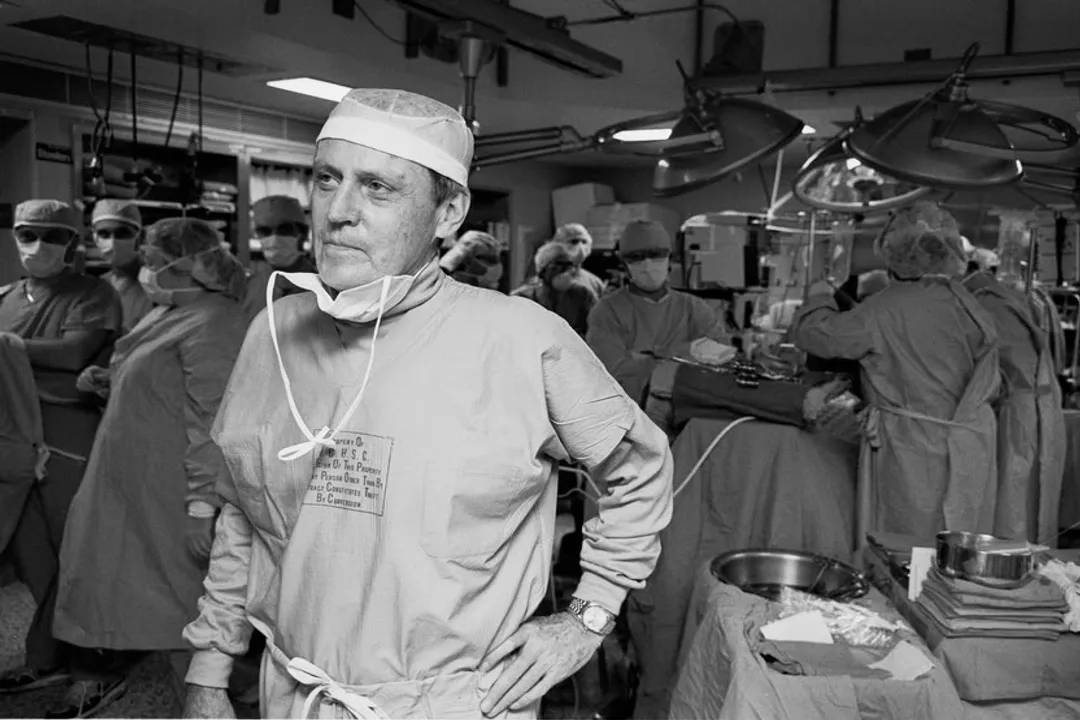
If Carrel provided the technique and Medawar identified the barrier, Thomas Starzl provided the clinical willpower and strategy to overcome it. Starzl, a surgeon who spent much of his career at the University of Colorado and later the University of Pittsburgh, is widely regarded as the father of modern transplantation due to his persistence in human liver transplantation. [3][9]
In the 1960s, the medical community was deeply skeptical about the feasibility of liver transplants. The procedure was notoriously difficult, characterized by high rates of hemorrhage and metabolic collapse. Starzl’s first attempts in the early 1960s resulted in patient deaths, which led to a temporary moratorium on the procedure. Many peers suggested that the liver was simply too complex and vital an organ to replace. [5]
Despite this criticism, Starzl refined his techniques and, crucially, began working on the immunosuppressive protocols that would become the standard of care. In 1967, he performed the first successful orthotopic human liver transplant in a patient who survived for more than a year. [5][7] This success transformed the liver from an organ that guaranteed death in the event of failure to one that could be replaced. [9]
# Comparative Contributions
To better understand how these figures intersect, it is helpful to categorize their contributions. The table below outlines how these pioneers addressed different aspects of the same problem.
| Pioneer | Primary Discipline | Major Contribution | Era |
|---|---|---|---|
| Alexis Carrel | Vascular Surgery | Vascular anastomosis (triangulation) | Early 1900s |
| Peter Medawar | Immunology | Understanding immune rejection | 1940s–1950s |
| Thomas Starzl | Clinical Surgery | Immunosuppression & liver transplant success | 1960s–1990s |
This table illustrates that transplantation is not the result of a single "Eureka" moment. Rather, it is the result of layered advancements where one generation of scientists built upon the failures and successes of the previous one.
# Clinical Strategy
Starzl’s contribution went beyond just the operating table; he was a master of strategy. One of his defining insights was the management of immunosuppression. Early approaches to preventing rejection were blunt and often dangerous, involving high doses of steroids that could weaken a patient to the point of succumbing to infection rather than the transplant itself. [6]
Starzl helped refine the use of azathioprine and prednisone, later transitioning to cyclosporine, which revolutionized the field. [9] He realized that the immune system was dynamic. By using combinations of drugs, he could tailor the immunosuppression to the patient, effectively "tuning" the body to accept the new organ without destroying the patient's general health. This nuanced approach to pharmacology is as much a part of the "father of transplant surgery" legacy as his actual surgical skill.
# Managing Failure
It is worth noting that the history of transplant surgery is defined as much by failure as by success. In the early stages, the mortality rate for liver transplants was nearly 100%. Starzl faced immense ethical scrutiny and professional pushback. His determination to continue when the data suggested it was impossible is perhaps his most defining trait as a leader in the field. [4]
For those studying medical history, this period offers a valuable lesson on the necessity of "controlled failure." Every patient who did not survive the early procedures provided the data required to fix the surgical approach or the immunosuppressive regimen. This iterative process is what defines high-stakes surgery. It is never a single act of genius, but a slow, often painful accumulation of data points.
# Modern Legacy
Today, the influence of Starzl and his peers remains embedded in how transplant surgery is taught and practiced. The American Society of Transplant Surgeons (ASTS) and other global bodies continue to treat his work as the foundation of modern clinical practice. [3][8]
When we ask who the father of transplant surgery is, the answer depends on which part of the process we prioritize. If we look at the mechanics, we point to Carrel. If we look at the science of rejection, we point to Medawar. But if we define the "father" as the individual who moved the field from an abstract, high-mortality experiment to a standard, lifesaving medical reality, Thomas Starzl holds that title.
His career serves as a reminder that major medical breakthroughs are rarely the result of a lone researcher in a quiet laboratory. They are the product of decades of collaborative work, intense scrutiny, and the courage to endure public failure in the pursuit of a solution that was, at the time, deemed impossible. The legacy of these men lives on in the thousands of organ transplants performed globally every year, providing patients with a second chance that simply did not exist a century ago.
#Videos
Dr. Starzl - "Father of Transplantation" Interview - Part 1 - YouTube
Related Questions
#Citations
PETER BRIAN MEDAWAR: FATHER OF TRANSPLANTATION - PMC
Peter Medawar - Wikipedia
Thomas Starzl - American Society of Transplant Surgeons
Dr. Starzl - "Father of Transplantation" Interview - Part 1 - YouTube
First successful liver transplant - VA Research
[PDF] Thomas Earl Starzl, the father of transplantation (March 11, 1926& ...
In 1967, Dr. Thomas Starzl made history by performing the world's ...
“Father of Organ Transplantation” Dies | The Scientist