What was Roky Erickson's diagnosis?
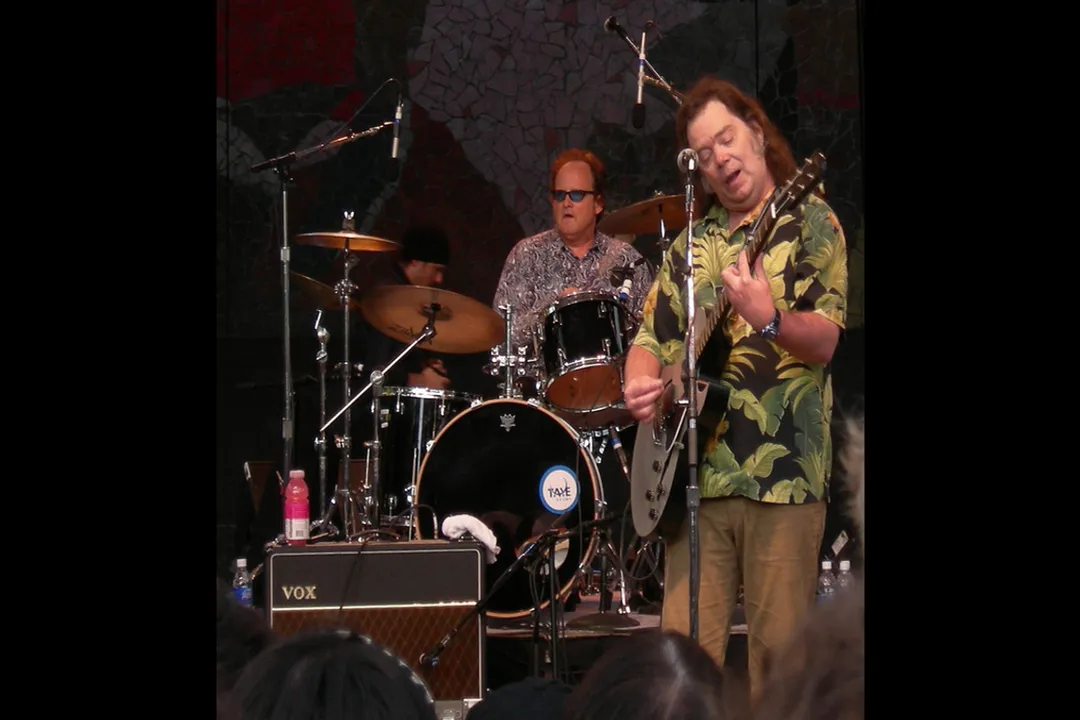
The story surrounding Roky Erickson’s mental state is one of the most frequently revisited and complex narratives in rock history, often intertwined with the very sound he helped invent. For many fans, the question of his diagnosis isn't just about a medical label; it’s about understanding the fissure that opened between the pioneering psychedelic force of the 13th Floor Elevators and the fragmented, brilliant artist who emerged decades later. The critical piece of information, repeatedly documented following a public episode in 1968, is that Roky Erickson was diagnosed with paranoid schizophrenia. This diagnosis came when he was approximately 21 years old.
# Legal Plea
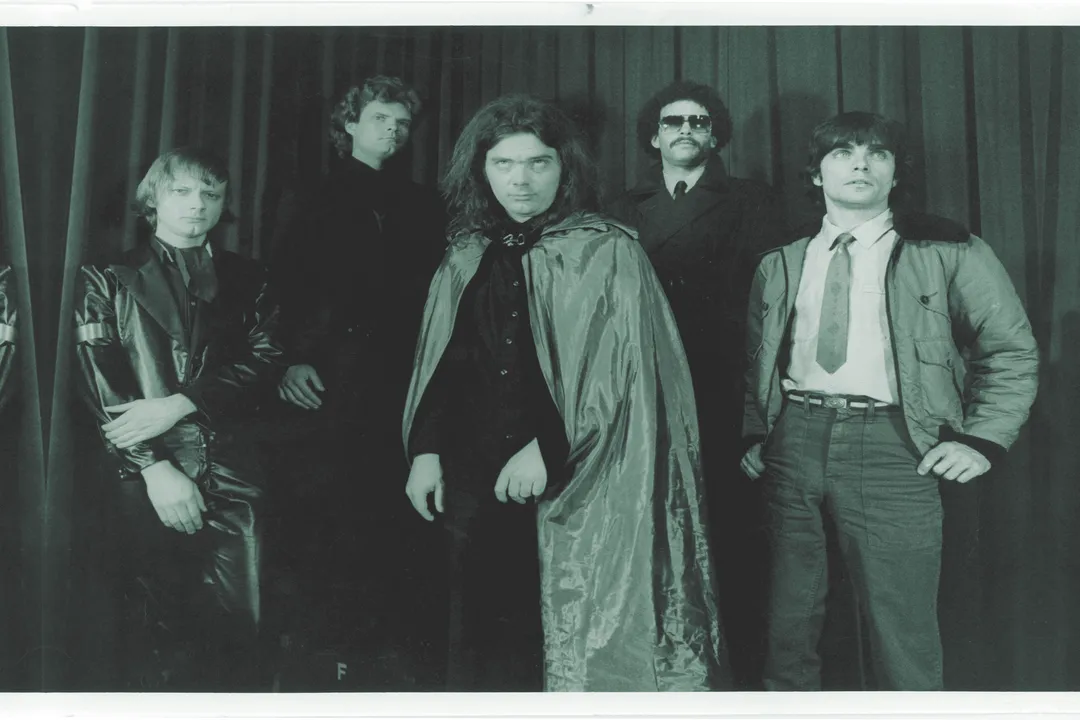
The official medical classification was cemented against a backdrop of intense legal pressure. In 1969, Erickson was arrested in Austin, Texas, for possessing just a single marijuana joint. In the strict legal climate of Texas at the time, this charge carried the frightening possibility of a 10-year prison sentence. To circumvent this severe penalty, Erickson, on the advice of his lawyer, pleaded not guilty by reason of insanity. This choice, intended as an escape route from incarceration, arguably led him down a path that proved far more damaging to his mental well-being.
It is worth pausing here to consider the sheer weight of that moment. A minor drug offense, viewed through the lens of the era’s zero-tolerance policies, forced a situation where the path to freedom was through the psychiatric system, a system whose methods were, in many respects, completely unequipped for humane care. This intersection of archaic drug laws and emerging, often crude, mental health treatment set the stage for what many observers view as a profound personal tragedy.
# Institutional Ordeal
Choosing the insanity plea resulted in Erickson spending the next three years in various Texas psychiatric institutions, culminating in a stay at the notorious Rusk State Hospital for the criminally insane. It was inside these walls that his treatment—and perhaps the further fracturing of his equilibrium—occurred.
The records from this period detail a harrowing experience. Erickson was subjected to involuntary Electroconvulsive Therapy (ECT). Furthermore, he was treated with psychoactive drugs like Thorazine. For Erickson, and for those close to him, this treatment was experienced as punitive. He reportedly referred to his time at Rusk as being “like a concentration camp”, and manager Craig Luckin noted that Roky believed the electroshock therapy amounted to abuse and torture. While one source notes that some current practitioners might argue that such primitive mental health facilities are no longer in use, the experience for Erickson was undeniably severe. It is understandable why some, like his brother Sumner, look back and question the efficacy, or even the morality, of the prescribed treatments.

# Post-Hospitalization Complexities
When Erickson was finally discharged in 1972, the music world received back a man fundamentally altered. While he possessed a massive cache of creativity, reportedly writing over 100 songs while institutionalized, the gibberish speaking that marked his breakdown reportedly became more frequent and nonsensical after his release.
The narrative of his subsequent decades is one where the official diagnosis of schizophrenia constantly battled with other, perhaps drug-induced or trauma-related, manifestations. During the 1980s and into the 1990s, Erickson’s public persona often incorporated delusional beliefs:
- He believed a Martian had taken over his body around 1987.
- He had a lawyer draw up a contract stating he was an Alien, which he had notarized.
- In interviews, he could be befuddled, burbling about demons and aliens.
- In 2005, a reporter found him living in a cluttered apartment, using multiple TVs and police scanners, seemingly as a way to block out voices in his head. He reportedly had rotted teeth and matted hair at that time.
The question remains, as his brother Sumner suggested, whether these persistent issues were solely the result of the initial diagnosis, or if the treatment—the ECT, the heavy medication, the trauma of confinement—compounded the underlying condition. Sumner Erickson, who eventually gained legal guardianship, famously stated his belief that "there’s no such thing as mental illness," suggesting Roky was being treated for something that did not exist, and regretting any encouragement of medication had he known more earlier on. This suggests a fundamental disagreement within the family about whether the source was purely biological schizophrenia, or primarily a reaction to extreme environmental and chemical stressors.
To look at this period, one can conceptualize the forces acting upon Erickson as a trio of pressures: the inherent predisposition (schizophrenia), the chemical catalyst (LSD use with the Elevators), and the institutional trauma (Rusk and ECT). It seems impossible to disentangle the symptoms that arose later—the Martian beliefs or the need to block out voices—from the horror of that institutional time.
# Recovery Context
The path toward stability, which allowed for his incredible late-career renaissance beginning around 2005, involved significant shifts in care. A crucial turning point was the custody battle, which saw his brother Sumner take over guardianship from his mother, Evelyn. Evelyn, influenced by her religious beliefs, had firmly advocated for no drugs, including prescription medication for his schizophrenia. Sumner, however, instituted the use of medication again.
By the time of his major comeback, Erickson had achieved significant improvements: he received a full set of dentures (paid for by admirers like Henry Rollins), quit smoking, got his driver’s license, and successfully weaned himself off the anti-psychotic Zyprexa. This recovery—while still involving seeing a psychiatrist and movement therapist every Friday—allowed his prolific songwriting and performing talents to re-emerge. It is perhaps an understated observation that for a musician whose identity was so tied to auditory and sensory input, regaining control over his own immediate environment (drowning out external/internal noise) and physical health (dentures) was a necessary precursor to reclaiming his musical voice.
Even as he returned to the stage, Erickson’s recollection of the traumatic periods remained oblique. He often maintained an excessively upbeat account, claiming his time with the Elevators was "All good" and that the events "didn’t really affect me," which others noted made their own memories of his decline seem like a frozen surface obscuring a deep, hidden past. While the official diagnosis stands as paranoid schizophrenia, the actual lived experience, and the efficacy of the resulting treatments, remain subject to the conflicting narratives of family, friends, and the man himself. His life demonstrates a brutal case study where the legal system, drug culture, and medical practices of the time converged on one singular, exceptionally talented artist.
Related Questions
#Citations
Roky Erickson: the man who went too high | Pop and rock
Down The Rabbit Hole: Roky & The Aliens - Inherent Bummer
The forgotten story of Roky Erickson and his lost albums of the 1980's
The Roky Road to recovery (October 2005) - Hans Kundnani
Patient zero for Austin weirdness… Roky Erickson. Musical genius ...
“Very, very, very psychedelic”: The Legacy of Roky Erickson - TIDAL
Roky Erickson Dies at 71 - Live365