What is submersion in drowning?
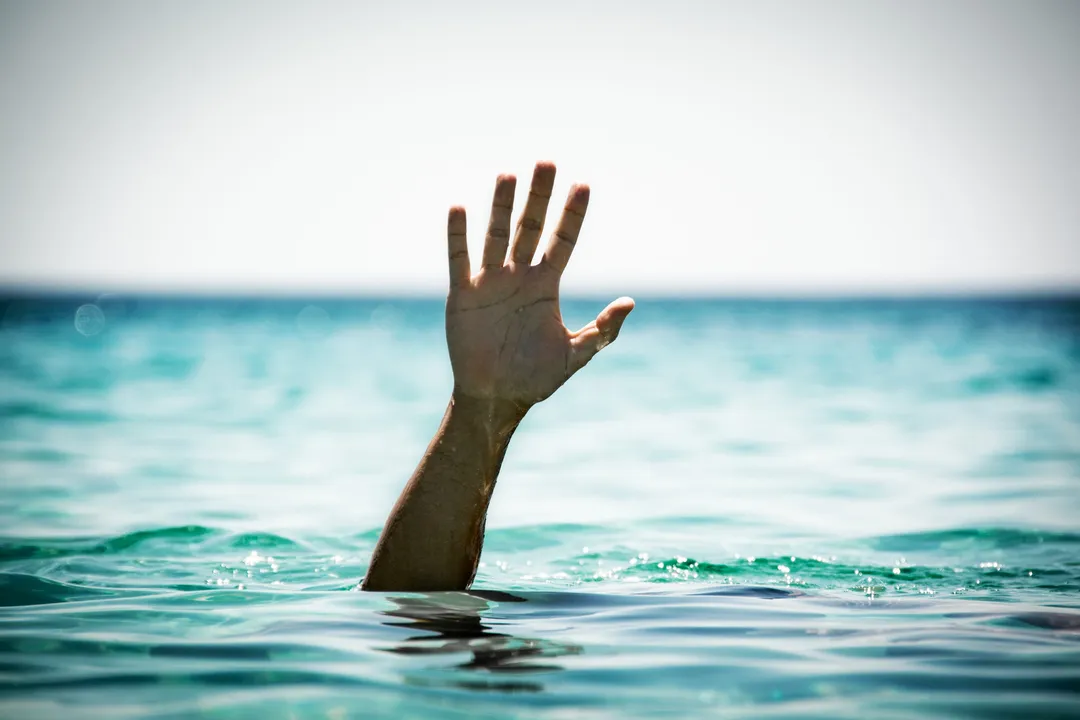
The moment someone is immersed in liquid and loses the ability to breathe freely marks the beginning of a potentially life-altering event known medically as a drowning or submersion incident. This is not merely about falling into water; it describes a physiological cascade initiated when the respiratory system is impaired by being underwater. [3][6] While often used interchangeably in casual conversation, the technical terminology—drowning, near drowning, and submersion injury—reflects the varying degrees of harm sustained when the airway is covered by liquid. [1][9] The core mechanism is universal: the interruption of oxygen intake. [3]
The definition of drowning, according to emergency medicine and public health standards, focuses on the outcome of this respiratory impairment resulting from submersion or immersion in liquid. [3][6] Historically, outcomes were categorized strictly as fatal drowning (death) or nonfatal drowning (survival). [3] Today, the medical community often utilizes the broader, more encompassing term submersion injury to describe the entire spectrum of physical harm that occurs following such an event, especially in survivors. [1][9] This shift acknowledges that even if someone is pulled from the water breathing, significant internal damage may have occurred that requires medical attention. [4]
# Defining Event
Submersion simply means that the entire body, or at least the mouth and nose, is under the surface of the liquid. [3] The distinction between falling into water and experiencing a submersion injury lies in the resulting pathology, specifically the struggle for air. [6] In many scenarios, the initial body response is a protective reflex called laryngospasm. [6] This involuntary clamping down of the vocal cords prevents water from flooding the lungs immediately. [1][6] While this sounds beneficial, it is a dangerous trade-off because it also prevents air from entering, leading to asphyxia even if the lungs remain relatively dry. [6]
For victims who do not maintain this complete laryngospasm, water enters the airways and reaches the delicate air sacs, the alveoli. [6] This is the point where the type of liquid becomes a factor in the resulting injury, a detail that was heavily emphasized in past medical teachings. [1]
# Body Effects
The physiological consequences of aspirating water depend heavily on the water’s chemical composition—whether it is fresh or salt—though the immediate need for oxygenation supersedes this distinction in initial rescue. [6]
# Fresh Water Dynamics
Fresh water has a lower solute concentration than blood. [3] When large amounts of fresh water are inhaled, the difference in osmotic pressure causes the water to rapidly move across the alveolar membranes and enter the bloodstream. [6] This sudden influx of fluid can dilute the blood, potentially leading to hemolysis (the destruction of red blood cells) and an increased total blood volume. [1][3] The heart must work much harder to manage this larger volume, which can lead to congestive heart failure and circulatory overload. [6] The speed of this absorption is a major concern in fresh water incidents. [1]
# Salt Water Damage
Salt water, conversely, has a higher solute concentration than human plasma. [3] When salt water reaches the alveoli, osmosis dictates that the body attempts to equalize the concentrations. [6] This means fluid is rapidly pulled out of the vascular system and into the lungs, flooding the air sacs. [1][3] This results in severe pulmonary edema, where the lungs fill with fluid, drastically reducing the surface area available for gas exchange and concentrating the remaining blood. [6]
Historically, medical personnel meticulously distinguished between these two types of aspiration to tailor treatment, focusing on managing hemodilution in fresh water cases and managing fluid overload in salt water cases. [1][3] While modern, high-quality emergency care prioritizes immediate life support—ensuring adequate oxygenation and ventilation regardless of the liquid—understanding these physiochemical differences explains why intensive monitoring for pulmonary complications remains non-negotiable following any submersion event. [1][6]
# Injury Types
The outcome of a submersion event determines how medical professionals categorize the injury. These classifications help guide prognosis and subsequent care planning. [9]
# Nonfatal Drowning
This category covers anyone who experiences respiratory impairment from submersion but survives, either immediately or after resuscitation. [3] This survivorship is what warrants the term submersion injury. [9] Even survivors who are rescued quickly and appear fully alert may have sustained subtle brain injury due to brief periods of hypoxia (low oxygen). [4]
# Delayed Effects
One of the most confusing and dangerous aspects for lay rescuers and even anxious parents is the possibility of delayed respiratory decline, sometimes termed "secondary drowning" or "dry drowning" in informal settings. [2] Medically, this is better understood as complications arising after apparent recovery. [2]
The mechanism is often related to the fluid shifts already discussed. In cases where a small amount of water was aspirated, the inflammation and fluid buildup in the lungs (pulmonary edema) may continue or worsen hours after the initial rescue. [2] The person may seem fine upon leaving the water—talking, walking, and acting normally—but then begin to show signs of distress, such as shortness of breath, coughing, or fatigue, much later. [2][8] This delayed onset is precisely why medical evaluation is mandatory for anyone who has had water enter their lungs or airway, even if they were crying and coughing immediately afterward. [4]
Actionable Observation Window
For any nonfatal submersion event involving a child, even one who seems completely well after being removed from the water and is talking normally, an observation period of at least 8 to 24 hours under close caregiver supervision is prudent. This extra caution accounts for the potential delayed onset of pulmonary edema or subtle hypoxia-related symptoms that might otherwise be missed in the excitement of the rescue. [2][8]
# Emergency Care
The priority in any submersion incident is swift action focused on restoring oxygenation. [6] Every second counts in preventing irreversible brain damage, which can begin in just a few minutes without oxygen. [4]
# Initial Actions
The very first step is to safely remove the person from the water. [4][9] Never attempt a water rescue if you are not a strong swimmer or if conditions are unsafe, as this risks creating more victims. [7] Once the individual is on solid ground, the immediate assessment mirrors standard cardiopulmonary resuscitation (CPR) protocols:
- Check Responsiveness and Breathing: If the person is not breathing or is only gasping, emergency services must be called immediately. [4][9]
- Begin CPR: If the victim is unresponsive and not breathing normally, begin chest compressions and rescue breaths right away. [4][9] In drowning victims, rescue breaths are critically important and should be started before or immediately after compressions, as the primary problem is lack of air, not always cardiac arrest. [6]
- Airway Management: Attempting to clear the airway, perhaps by sweeping the mouth for any visible obstruction, is appropriate, but prolonged attempts to drain water from the lungs should be avoided. [6][9] The body is more likely to handle small amounts of water than to risk repeated laryngospasm by trying to force water out. [6]
# Medical Stabilization
Once emergency medical services (EMS) arrive, the focus shifts to high-flow oxygenation and stabilizing circulation. [4] The goal of hospital treatment is to maintain adequate oxygen delivery to the brain and vital organs while treating the underlying pulmonary damage, whether it involves edema or concentration of blood. [1] Patients who required ventilation assistance or those who were unresponsive upon arrival have the highest risk for long-term complications. [4]
# Data and Surveillance
Public health organizations track drowning and submersion injuries to identify trends, assess risk factors, and evaluate prevention strategies. [5] For instance, agencies like the Centers for Disease Control and Prevention (CDC) maintain specific data quality measures to ensure accurate reporting and analysis related to submersion syndrome surveillance. [5] Accurate data collection—differentiating between fatal and nonfatal outcomes, recording the presence of water aspiration, and noting the location of the incident—is foundational for developing effective public safety campaigns aimed at prevention. [5]
By understanding submersion not just as a single event but as a process with predictable, though variable, physiological outcomes, better protocols for rescue, immediate care, and ongoing observation can be established. [1][2][9] The distinction between the physical act of submersion and the resultant injury underscores why rapid recognition and high-quality resuscitation techniques are paramount in mitigating permanent harm. [4][6]
Related Questions
#Citations
Drowning (submersion injuries) - UpToDate
Submersion Injury - Secondary Drowning - Texas Children's Hospital
Drowning - Wikipedia
Drowning and Near Drowning (Submersion Injuries) (Chapter 356)
Drowning and Submersion Syndrome Definitions - CDC
Drowning • LITFL • CCC Resuscitation
The Truth about Submersion Events - Hippo Education
Understanding Submersion Injury: Causes, Symptoms - SupportNow
Submersion Injuries: Definition, Emergency Care & Treatment