What is regrowth in hairdressing?
# Hair Growth
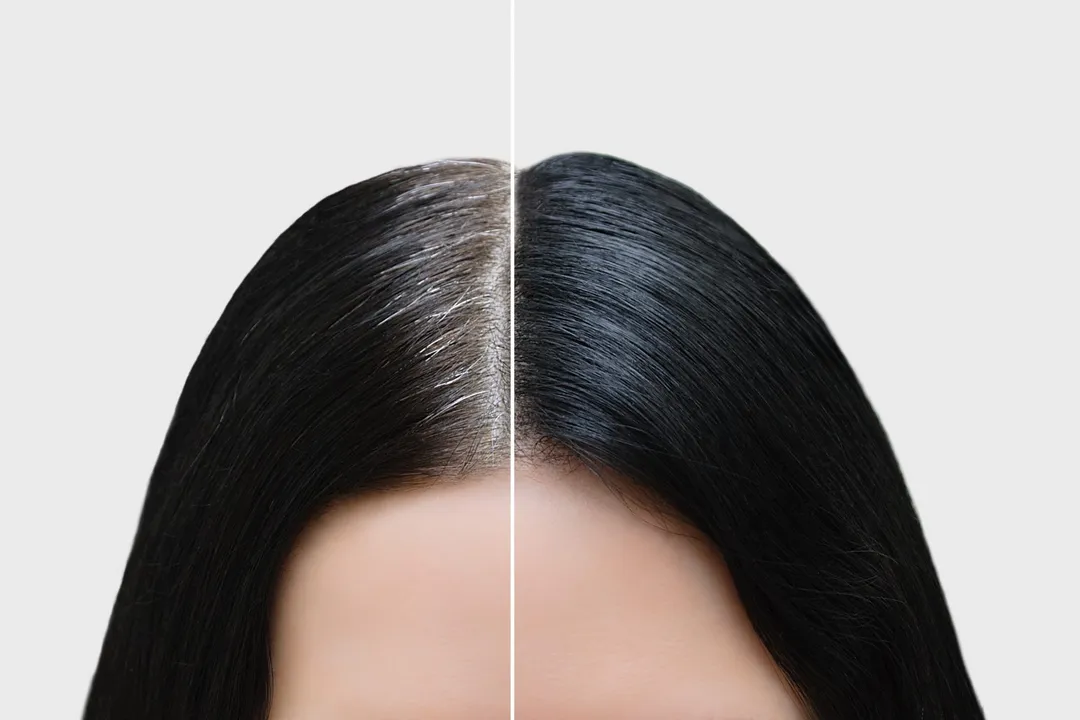
The term "regrowth" in the world of hairdressing carries two distinct meanings, both related to new development along the hair shaft or scalp, but they address very different concerns: managing visible roots from cosmetic coloring, or promoting the actual return of lost hair. For anyone coloring their hair, regrowth refers to the uncolored area that appears at the scalp as the natural hair grows out, often making previously applied color look dated or revealing underlying gray strands. For others, regrowth relates to the biological process of stimulating new hair growth where thinning or loss has occurred. Understanding which type of regrowth you are addressing dictates the entire course of action, whether it's booking a salon touch-up or starting a specialized scalp treatment.
# Color Definition
When discussing cosmetic services, regrowth specifically pinpoints the section of hair closest to the scalp—typically an inch or less—that has not yet been chemically treated with the existing color formula. This new growth has a different texture, porosity, and lifting requirement than the previously colored lengths, which is why simply painting the old formula over the entire head is often discouraged.
For individuals who color frequently to manage gray hairs, this new growth can become visible surprisingly quickly, sometimes within just two to three weeks. If your hair grows fast, this means color maintenance becomes a strict time commitment to keep those silver sparklers hidden. The contrast between the fresh, virgin hair at the root and the older, porous mid-shaft and ends is the main challenge in achieving a uniform final look.
# Application Strategy
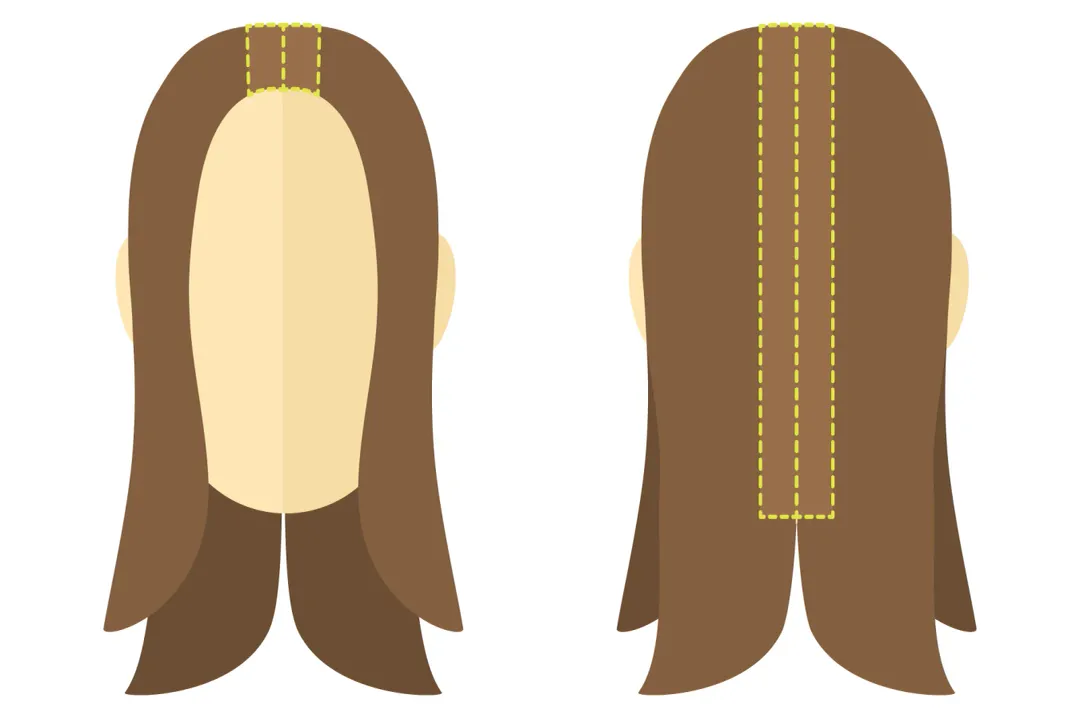
The primary goal of a professional regrowth service is to seamlessly blend the new color into the existing shade without creating harsh lines of demarcation. This requires a precise application technique, focusing the chemical action exactly where it is needed.
# Avoiding Build-Up
A crucial piece of expert advice centers on where to apply the colorant during a root touch-up. If you are coloring every few weeks, applying permanent color all the way down the hair shaft every time is unnecessary and often detrimental. This practice leads to color build-up, which can result in the lengths becoming darker, duller, and potentially less receptive to tone over time.
For most routine touch-ups, the permanent color should be applied only to the regrowth area, keeping the product as close to the scalp as possible without depositing onto the skin.
# Dye Type Selection
The type of color product selected fundamentally changes the longevity and blending capability at the root area:
- Permanent Color: This is typically used for full grey coverage or lifting the root to match a lighter existing color. It requires a developer (like $20$ or $27$ volume for stubborn greys) to lift the natural pigment and deposit lasting color. Because it fully deposits pigment, if used incorrectly or too frequently on the lengths, it can lead to the aforementioned build-up.
- Demi-Permanent Color: This option deposits tone and color without fully opening the cuticle in the same way permanent dye does, making it gentler and providing less intense coverage. Using a lower volume developer, such as $10$ volume, results in a demi-permanent effect perfect for blending grays rather than completely obscuring them. A major advantage here is that this color gradually fades away, which helps eliminate harsh demarcation lines as the hair grows out. This is often recommended for maintaining previously highlighted hair where the goal is to blend the natural base color with the lighter strands without further damaging the ends.
- Toner/Semi-Permanent: These are generally reserved for refreshing the mid-lengths and ends, not for treating the virgin root growth. Toners, often mixed with a very low volume developer like $5$ volume, can boost shine or introduce cool tones to counteract unwanted warmth from previous lightening processes.
For long-term maintenance of highlighted hair, users on forums have noted success asking their stylist to use a demi-permanent gloss in a shade slightly lighter than their natural base color (e.g., a level $8$ gloss when the natural root is a level $7$) to ensure a seamless melt between the new growth and the older color as it grows out.
# Application Protocol
Achieving a professional result at home or understanding the service in a salon follows a structured process focused on precision sectioning.
A common professional approach involves these steps:
- Preparation: Hair should ideally be washed $24$ to $48$ hours before coloring to allow natural oils to assist in color binding and scalp protection. Tangles should be removed by combing dry, product-free hair thoroughly.
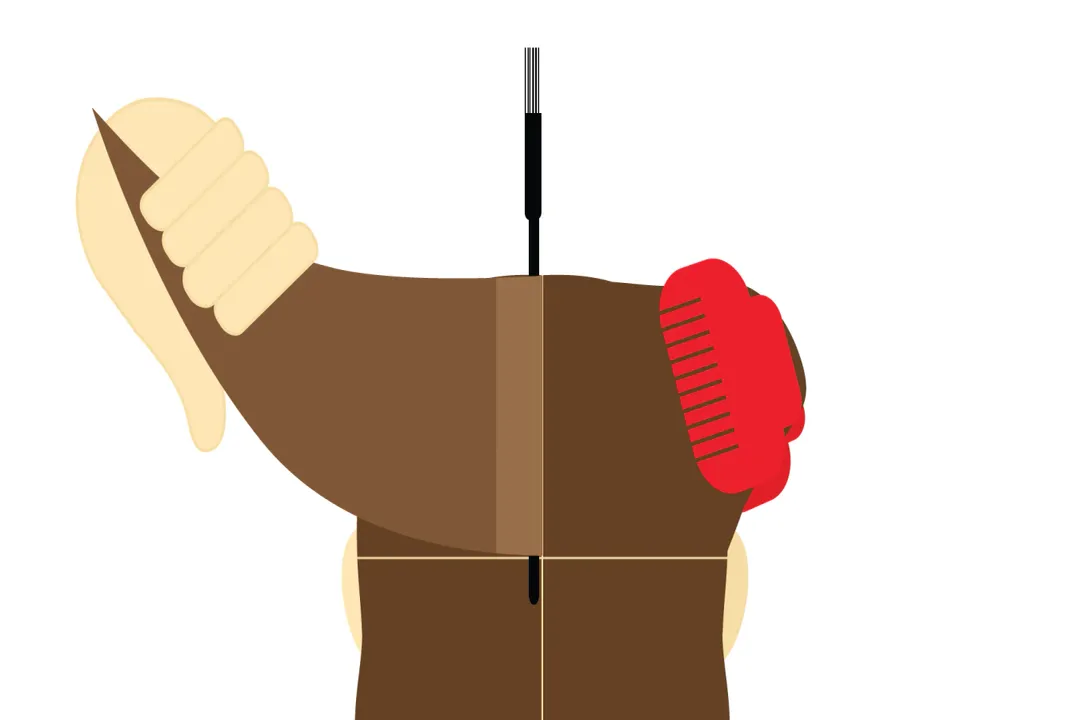
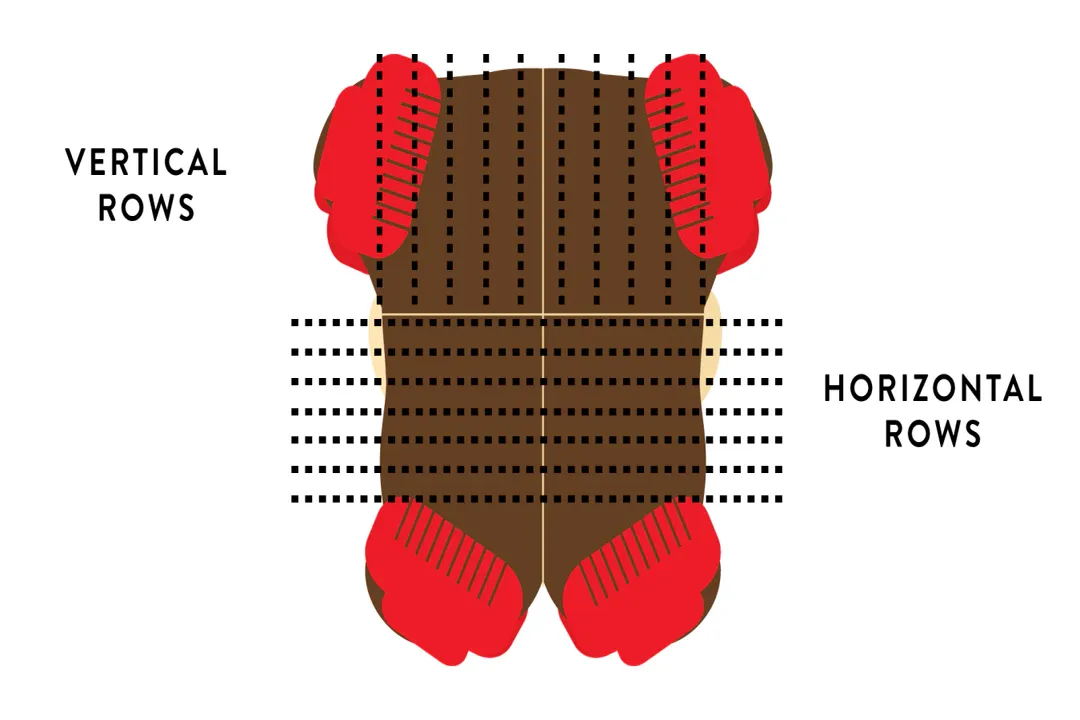
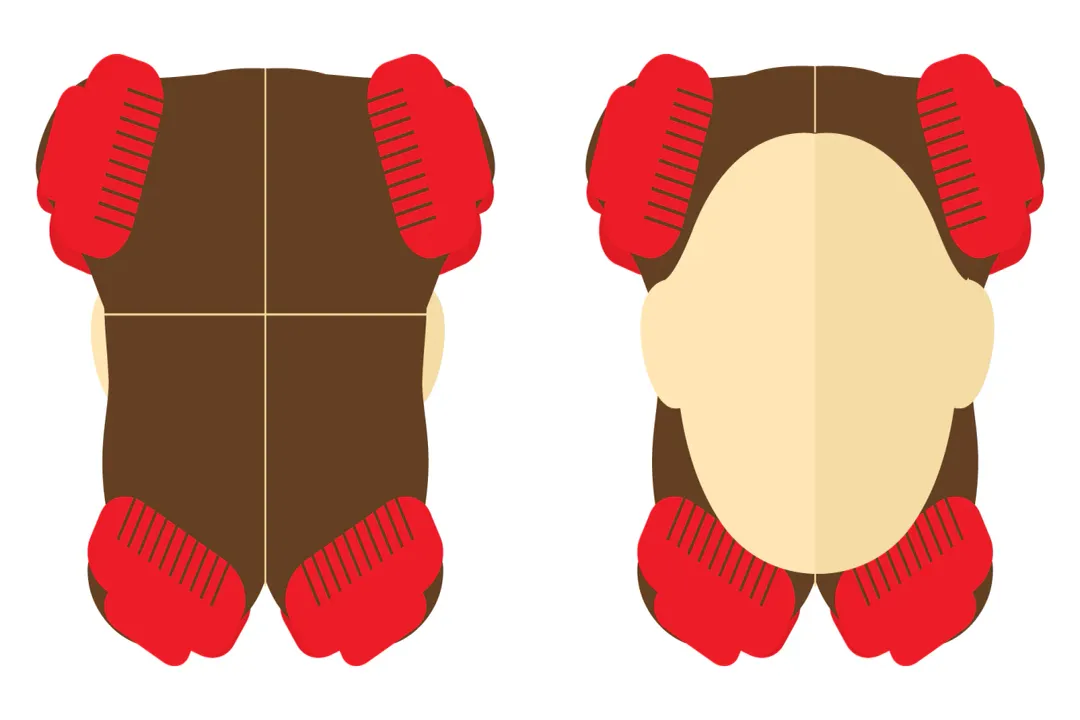
- Sectioning: Divide the hair into four main quadrants. To make application easier, especially for vertical application near the face, it is suggested to create vertical rows (about $1$ to $1.5$ cm thick) in the top sections and horizontal rows in the lower sections. Pulling the hair taut helps define the working area.
- Targeted Application: Using a tint brush or an applicator bottle, the color is applied directly to the regrowth area, aiming to be as close to the scalp as possible without touching the skin. The color must be applied thoroughly until the entire width of the row is saturated.
- Development: After all regrowth sections are covered, the color is allowed to process according to the manufacturer's or stylist's timing, which is typically $30$ to $45$ minutes for permanent color, though this varies by hair type and desired result.
When performing this service, being honest about your natural base color and desired contrast level with your colorist is key to achieving a tailored outcome.
This level of frequency and targeted application presents an opportunity for home maintenance planning. If you mix your own product for a root touch-up, you can save money by mixing only half the required amount—half a color tube with half a developer sachet—and sealing the remainder of the tube and sachet separately for the next application. It is essential to discard any mixed color that has been combined with developer, as this mixture oxidizes and cannot be safely or effectively reused later.
# Hair Health
For clients interested in maintaining color health while addressing regrowth, the aftercare routine is just as important as the application process itself.
Aftercare for Colored Hair
- Shampoo Choice: Opt for sulphate-free shampoos. Sulfates are harsh detergents that strip pigment, so avoiding them helps maintain vibrancy and reduces the rate of fading.
- Heat Protection: Always apply a heat-protectant product before using blow dryers or hot styling tools to maintain strand integrity and prevent damage to the colored area.
- Styling: Embracing natural texture often results in a more effortless, blended look, especially around the roots. Using lightweight mousses or root-lift sprays can provide subtle volume without weighing down the delicate new growth.
# Biological Regrowth
Moving away from cosmetic touch-ups, "regrowth" also refers to the medical or scientific process of encouraging the scalp to produce new hair shafts. This field focuses on treating general thinning across the scalp rather than just covering a root line.
# The Growth Cycle
Hair growth operates in cycles. Hair regrowth treatments aim to manipulate this natural rhythm. The hair cycle includes the anagen phase, which is the active growth period where the follicle produces the hair fiber, and the telogen phase, which is the resting period lasting about three to four months, after which hair naturally sheds and is replaced by new growth. Losing around $100$ strands daily is normal shedding.
# Treatment Mechanism
Regrowth treatments are designed to reactivate follicles that may have become inactive. They function by increasing blood flow to the scalp, effectively kicking the dormant follicles back into production. Scientifically, this involves cutting short the telogen (rest) phase and extending the anagen (growth) phase, encouraging hair to grow back stronger and potentially thicker over time.
# Application and Expectations
Experts generally recommend incorporating these treatments into your routine on a long-term, continuous basis. If you stop using the products, the hair loss process is likely to resume. A common application recommendation is up to twice a day on the affected areas after washing, ensuring the product remains on the scalp for at least four hours. Patience is necessary; visible results from these treatments often take up to four months to manifest.
A specific ingredient highlighted as medically proven for female hair regrowth is Minoxidil Topical Solution $2%$.
When integrating these stimulating treatments, experts advise pairing them with gentle haircare routines: use mild shampoos and conditioners, limit the use of high-heat styling tools (always using a protectant when heat is applied), and try to minimize chemical coloring processes, as these can place added stress on fragile new strands.
# Maintenance Comparison
For those focused on cosmetic regrowth, the choice between professional services and at-home solutions involves trade-offs between convenience, cost, and potential for build-up. A professional regrowth service targets only the roots, is usually more affordable than a full-head application, and can start around , depending on location and hair specifics.
The following table synthesizes the application focus and outcome based on the dye type used for routine touch-ups:
| Color Type | Primary Developer Volume | Main Goal for Regrowth | Fade/Grow Out Characteristic | Risk if Over-Applied to Lengths |
|---|---|---|---|---|
| Permanent | $20$ vol or $27$ vol | Full grey coverage; lifting root | Leaves demarcation line | Color build-up, dullness |
| Demi-Permanent | $10$ vol | Blending greys; tone-on-tone | Gradually fades without harsh line | Less risk of harsh line than permanent |
| Toner/Semi-P. | $5$ vol | Refreshing shine/tone; depositing minimal color | Fades within $6-10$ washes | Not intended for virgin root coverage |
A key analysis emerges when considering hair porosity. New, natural regrowth at the root has generally virgin porosity, meaning it absorbs color differently than the ends, which have been chemically altered, perhaps multiple times, over years. This differential porosity is why a single color formula applied uniformly across the entire shaft often results in the roots appearing darker or the mid-lengths looking different, emphasizing the necessity of targeting only the cm of new growth with permanent color products. If your previous highlights have faded, using a demi-permanent gloss on the entire head every $6$ to $8$ weeks allows the new root growth to blend subtly as it catches the deposit of color, avoiding the harsh line that can result from repeated permanent root applications.
# Time and Cost
The frequency of color service heavily impacts cost and required maintenance time. While a touch-up every $4$ to $6$ weeks keeps the look fresh and seamless, the cost of these appointments accumulates. Services starting at are significantly more budget-friendly than a full head of color or highlights because the application time is drastically reduced.
If dealing with biological thinning, the patience required can be substantial. Since it takes nearly four months to see the benefits of stimulating treatments, individuals might be tempted to try quick fixes. A helpful practice when managing this timeline is to take a baseline photo of your scalp at the start of treatment; this visual evidence is often more encouraging than guesswork when the initial weeks show little change. Consistent use of mild, strengthening products alongside the growth treatment, as recommended by experts, helps ensure that when hair does regrow, it has the best chance of being strong enough to maintain its length.
Related Questions
#Citations
How to Colour your Regrowth | My Hairdresser Online
What color is my regrowth and how can I get my hair colored to match?
Regrowth Permanent Colour: The Complete Guide - Rush Hair
Regrowth: How to Achieve Continuous Colour Coverage | The Shade
An expert explanation of how hair regrowth treatments work - Nexxus