What does the company ZOLL do?
ZOLL Medical Corporation stands as a specialized entity in the medical device industry, focusing primarily on resuscitation technology and acute critical care. [1][2] While many healthcare companies manufacture a broad spectrum of products, ZOLL has maintained a concentrated path, developing technologies that help clinicians, emergency service providers, and laypeople manage cardiac emergencies and respiratory failure. [3] The company functions at the intersection of medical engineering and emergency response, providing the hardware and software necessary to stabilize patients during high-pressure, time-sensitive situations. [2][6]
The organization operates as a subsidiary of the Asahi Kasei Group, a Japanese multinational conglomerate. [4] This relationship provides the stability and resources required for research and development in a field that demands constant technological iteration. By narrowing its focus to resuscitation—the act of reviving someone from unconsciousness or apparent death—ZOLL has built a reputation centered on specific clinical outcomes, such as improving survival rates for patients experiencing cardiac arrest. [8]
# Resuscitation Technology
The core of the business revolves around addressing cardiac arrest, a condition where the heart suddenly stops beating effectively. Because the survival rate for out-of-hospital cardiac arrest depends heavily on the speed and quality of intervention, ZOLL has engineered devices that provide real-time feedback. [2][3] A distinct aspect of their approach is the development of "Real CPR Help" technology, which is integrated into many of their defibrillators. This technology does not just deliver an electric shock; it monitors the depth and rate of chest compressions during CPR and provides audio or visual prompts to the rescuer, ensuring that the manual chest compressions are being performed effectively. [2]
This focus on the "Chain of Survival"—a sequence of actions intended to reduce mortality—defines their product development. The chain typically includes early recognition, early CPR, early defibrillation, and post-cardiac arrest care. ZOLL’s product portfolio is designed to assist at every one of these links, transitioning from the lay responder on the street to the emergency medical technician (EMT) in an ambulance, and finally to the physician inside a hospital intensive care unit (ICU). [2][7]
# Product Ecosystem

The company manufactures a variety of devices, each tailored to different levels of medical training and environments. Understanding the distinction between these devices helps clarify their market position.
# Defibrillators
The most recognized products in their catalog are defibrillators. These devices are designed to analyze the heart's rhythm and, if necessary, deliver an electrical shock to restore a normal heartbeat.
- Automated External Defibrillators (AEDs): Designed for use by the public or minimally trained personnel in schools, offices, or airports. These units are automated, meaning they guide the user through the process with voice prompts.
- Professional Defibrillators/Monitors: These are sophisticated units used by EMS, paramedics, and hospital staff. They offer advanced monitoring capabilities, such as tracking oxygen saturation, carbon dioxide levels, and blood pressure, in addition to defibrillation and pacing functions. [2][7]
# Ventilation Systems
Beyond cardiac care, ZOLL produces medical ventilators. These devices are critical for patients who cannot breathe on their own, often due to respiratory failure or during surgical procedures. Their portable ventilators are engineered to be rugged enough for transport in ambulances or helicopters, while their stationary models support patients in hospital settings. [2]
# Wearable Defibrillators
One of the more specialized products is the wearable cardioverter defibrillator (WCD). Unlike a surgically implanted device (ICD), the WCD is worn externally, like a vest. It is prescribed to patients who are at risk of sudden cardiac arrest but who may not be immediate candidates for, or who are waiting for, an implantable device. The vest monitors the patient's heart 24/7 and is capable of automatically detecting dangerous arrhythmias and delivering a treatment shock if needed. [2]
# Device Application
To better visualize how the company’s products are distributed across different settings, the following table compares the intended user and typical use cases.
| Device Type | Primary User | Typical Setting | Function |
|---|---|---|---|
| Public AED | Layperson/Bystander | Public spaces, offices | Basic rhythm analysis, shock delivery, CPR guidance |
| Professional Defibrillator | EMS, Paramedics | Ambulances, ER | Advanced vitals monitoring, pacing, defibrillation |
| Portable Ventilator | Respiratory Therapists | Transport, ICU | Mechanical breathing support |
| Wearable Vest | High-risk Patients | Home, daily life | Continuous rhythm monitoring, auto-shock |
# Data Management

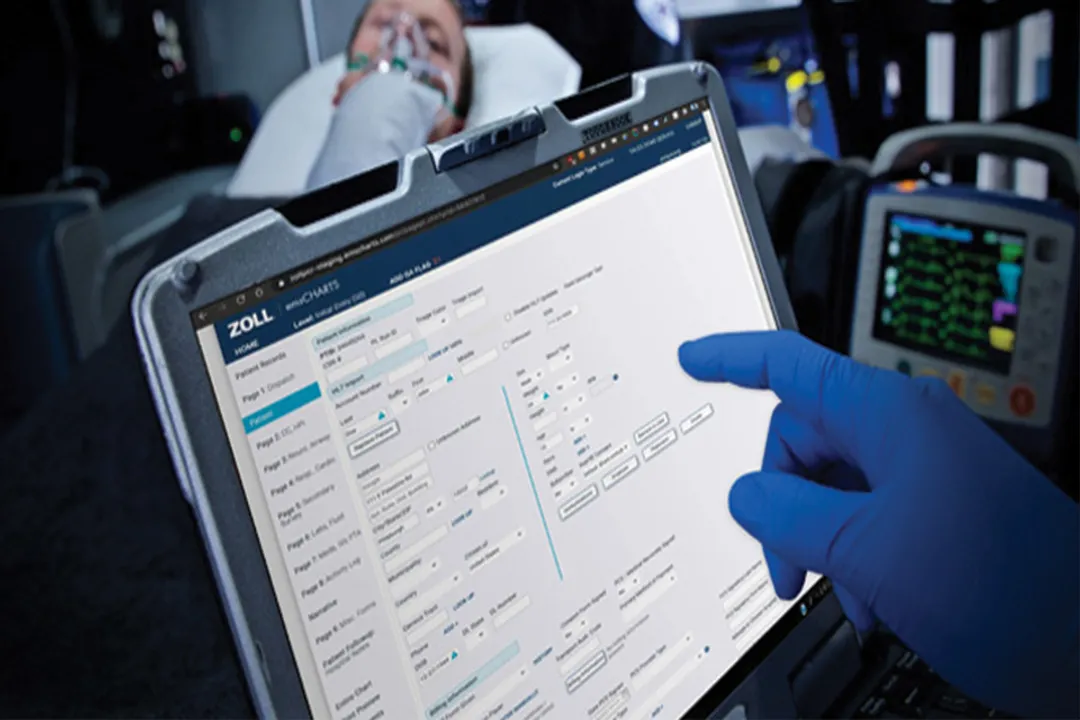
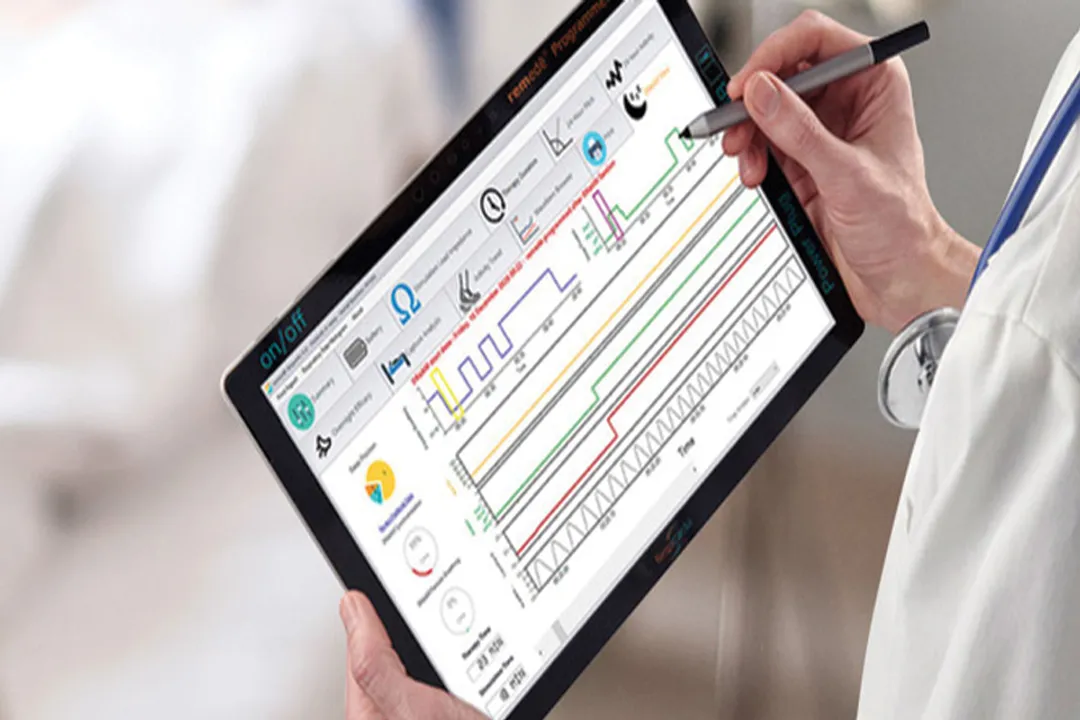
Modern medicine generates massive amounts of data, and ZOLL has expanded into software to manage this information. The company offers solutions that connect the device to the hospital's records. When paramedics use a ZOLL monitor in the field, the data collected regarding the patient's vitals and the treatment administered can be transmitted to the hospital before the patient even arrives. This connectivity helps the receiving medical team prepare the appropriate care plan based on the data transmitted during the transport. [2][7]
This software layer is critical because it reduces the time gap between pre-hospital care and in-hospital intervention. It essentially digitizes the patient's medical history from the moment of emergency, ensuring that the treating physicians have an accurate, chronological record of what happened during the critical window immediately following the cardiac event.
# Clinical Focus
The company’s origins can be traced back to the work of Dr. Paul M. Zoll, who is often cited as a pioneer in the field of cardiac pacing and defibrillation. [9] His research in the mid-20th century demonstrated that external electrical stimulation could be used to stimulate a heart that had stopped beating or was beating in a dangerous rhythm. This history creates a strong focus on clinical efficacy.
Rather than competing in consumer health electronics, the company keeps its business strictly within the medical and emergency response sectors. This expertise allows them to engage deeply with regulatory bodies and clinical research organizations. They often participate in studies to refine CPR guidelines, ensuring that their hardware remains compliant with the latest recommendations from cardiac associations worldwide.
# Industry Impact
From an analytical perspective, the company’s influence is defined by its ability to standardize care across different environments. By providing a unified platform—where the same feedback technology used in a hospital monitor is also found in a simple public AED—they minimize the learning curve for healthcare providers. A paramedic who trains on a ZOLL monitor in the hospital feels comfortable using a similar interface in an ambulance. This consistency is a strategic advantage, as it minimizes the risk of human error in high-stress, time-critical situations.
Furthermore, the company’s integration into the Asahi Kasei Group allows it to maintain a stable supply chain and research funding. [4] In the medical device industry, where regulatory approval processes are long and the cost of failure is high, this structural backing serves as an operational anchor. It allows the firm to prioritize long-term clinical innovation over short-term quarterly gains, which is often necessary when developing life-sustaining technology.
# Organizational Goals
The objectives of the company remain consistent with those of the broader medical technology sector: increasing survival rates and improving patient recovery. However, their specific approach involves moving beyond just "saving lives" to "improving outcomes." This means focusing on the post-resuscitation period, where temperature management and respiratory support become the primary factors in neurological recovery.
By investing in temperature management systems, which help prevent brain injury after cardiac arrest by cooling the patient’s body, the company addresses the long-term needs of survivors. This indicates an organizational shift toward looking at the entire lifecycle of the cardiac arrest patient, rather than viewing the resuscitation event as the final stop in their medical journey.
Related Questions
#Citations
Company Overview: About ZOLL Medical
About ZOLL Cardiac Management Solutions
ZOLL Medical | Group Companies - Asahi Kasei Corporation
ZOLL Medical Corporation | LinkedIn
ZOLL Medical Corporation | MTEC
Zoll Medical Corp Company Profile - Overview - GlobalData
ZOLL MEDICAL CORP. History - BCC Research
About ZOLL